
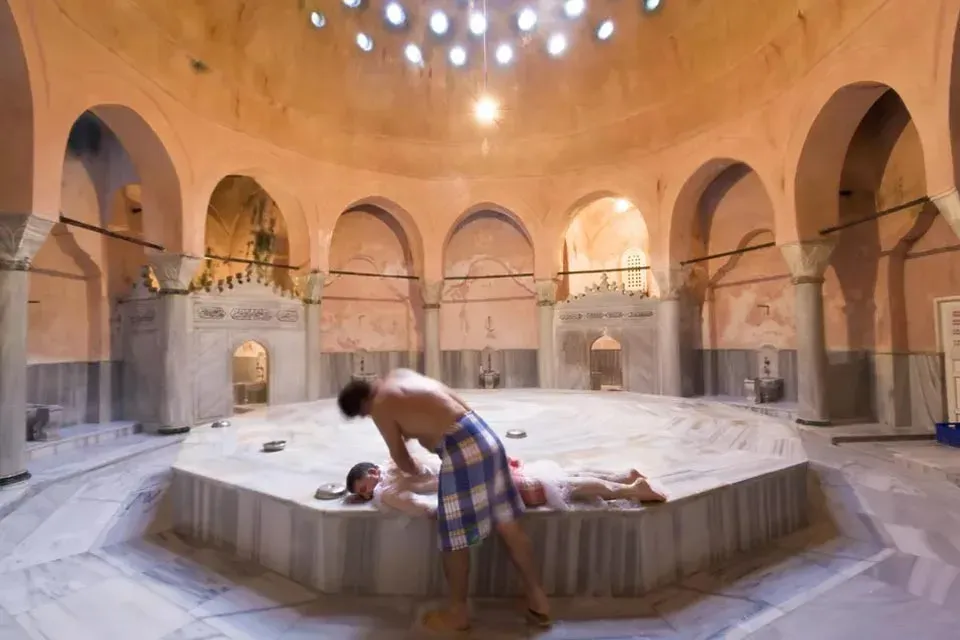
The Turkish bath experience blends warmth, steam, and ritual into a cleansing journey that has echoed through centuries, inviting you to slow down, breathe deeply, and observe a time-honored sequence that balances body and spirit. For newcomers, understanding hammam etiquette helps you move with confidence through the marble rooms, heat, and quiet rituals, ensuring you respect others, maintain modesty, and enjoy the sensory comfort without missteps. You’ll discover the hammam steps—from acclimation to exfoliation to the final foam massage—sets expectations and prevents discomfort, guiding you to listen to your body, communicate preferences clearly, and adapt the pace to how you feel in the heat. If you’re curious how to take a Turkish bath, this guide will walk you through the essentials in approachable terms, with practical tips tailored for beginners, including what to wear, how to hydrate, and how to communicate with your therapist to customize the experience. The tone remains descriptive and practical, focusing on comfort, safety, and a memorable spa experience, and it concludes with a quick checklist to help you prepare, arrive on time, and leave feeling refreshed and motivated to explore future hammam visits.
Beyond the name, this steam-soaked ritual—often referred to as a hammam session or a traditional Turkish spa ritual—signifies a holistic approach to cleansing and relaxation. It blends elevated heat, connected movement, and gentle massage in an environment that celebrates history and sensory comfort. In terms readers understand via LS I, you can think of it as a steam bath experience rooted in Arab, Persian, and Ottoman influences, with modern spa adaptations. Using terms like traditional Turkish bath ceremony and steam room wellness can help search engines connect the topic to related queries and improve discoverability. Ultimately this experience aims to leave you feeling refreshed, with healthier skin and a calmer, more centered outlook.
Turkish bath experience Essentials: Hammam Etiquette and Preparation
The Turkish bath experience blends tradition with modern spa therapy, offering a ritual of heat, steam, cleansing, and relaxation. For beginners, understanding hammam etiquette helps set the tone for a respectful and comfortable session. The atmosphere—warm marble, soft lighting, and a steady hum of steam—supports a gradual journey from warming to cleansing to rest. Across this sequence, you can feel the body’s pores opening and the mind settling, making the experience feel both ceremonial and rejuvenating.
Preparation starts before you step through the door. Check the spa’s policy on attire, whether it’s a swimsuit, wrap, or towel, and plan accordingly. Remove jewelry and heavy cosmetics that could react to heat, and hydrate well before and after the session. If you’re unsure about what to wear or how long to stay, don’t hesitate to ask staff; good hammam etiquette emphasizes courtesy and clear communication to ensure a safe, comfortable, and enjoyable Turkish bath experience.
Hammam Steps Unveiled: From Warmth to Foam Massage
A typical hammam journey begins with a warm welcome and a period of acclimation. Guests move into a steam room or warm chamber where heat and humidity ease tension, soften skin, and prepare the body for cleansing. Sitting or lying on tiled benches, you allow muscles to relax and breathe deeply as the body gradually adjusts to the environment.
The next phase is cleansing and exfoliation (kese). A trained therapist uses a rough mitt to remove dead skin, which can feel invigorating and intense; communicate if the pressure should be lighter. Following exfoliation, a generous foaming massage glides over the skin, improving circulation and leaving a silky, refreshed sensation. A final rinse and a period of rest with hydration complete the cycle and help the body absorb the warmth.
Turkish Bath Benefits: Skin, Circulation, and Relaxation
The Turkish bath benefits extend beyond immediate relaxation. The heat stimulates circulation, easing muscle stiffness and joint discomfort, while steam hydrates the skin and opens pores to better absorb moisturizers. Exfoliation reveals a brighter complexion and can enhance product effectiveness, creating a fresh, radiant look that many guests appreciate after the session.
In addition to physical effects, the ritual supports mental well-being. Many participants report reduced stress, improved sleep, and a calmer mindset after a steam-filled experience. To maximize these benefits, pair the hammam with smart post-treatment care—hydration, moisturizer, and regular visits—that fit your wellness routine and lifestyle.
Spa Tips for Beginners: Preparing, Communicating, and Safety
Spa tips for beginners focus on pacing and clear communication. Start with a shorter session to gauge heat tolerance, and openly discuss massage pressure and session length with the therapist. Staying hydrated throughout helps regulate body temperature and reduces the risk of dizziness or lightheadedness as you acclimate to the warmth.
Safety considerations are essential. Tell staff about any medical conditions, allergies, or medications, and consider avoiding the hammam if you’re pregnant or have certain skin conditions without medical advice. Dress appropriately, respect others sharing the space, and follow all posted guidelines. With these precautions, you can enjoy the Turkish bath experience with confidence and ease.
How to Take a Turkish Bath: Practical Steps for a Confident Visit
Knowing how to take a Turkish bath starts with practical planning: confirm attire policy, pack towels if needed, and plan hydration before entering. As you progress through the rooms, allow your body to acclimate gradually from warm to hotter spaces to reduce the chance of overheating and to enhance comfort.
The core steps include a quick rinse, hair preparation, and proceeding through steam, exfoliation, and foam massage as part of the ritual. If you prefer a gentler approach, request lighter pressure or fewer exfoliation passes. After the session, take time to cooldown, rehydrate, and moisturize to prolong the benefits of the Turkish bath and to carry the sense of calm into the rest of your day.
Frequently Asked Questions
What is a Turkish bath experience and how does hammam etiquette influence the session?
A Turkish bath experience blends steam, cleansing, and relaxation in a guided sequence. Hammam etiquette shapes your session by guiding attire, personal space, and how you interact with staff and other guests. With this in mind, start at a comfortable pace and follow the routine from warm welcome through steam, exfoliation, foam massage, and rinse.
What are the Turkish bath benefits for beginners, and how can spa tips for beginners enhance them?
Benefits include improved circulation, hydrated skin, reduced muscle tension, and greater relaxation. To maximize these Turkish bath benefits, follow spa tips for beginners: hydrate before and after, go at your own pace, communicate preferences about pressure, and listen to your body for the best session.
What are hammam steps in a typical Turkish bath experience, and what should I expect at each stage?
Most sessions progress as follows: acclimation and warm welcome, steam or warm room, cleansing and exfoliation (kese), foaming massage, then rinsing and rest. The exfoliation can be invigorating, so tell your therapist if the pressure is too strong. The foam massage softens the skin and boosts circulation before you rest and rehydrate.
How to take a Turkish bath: essential spa tips for beginners and safety considerations.
To begin, choose a session length suitable for a beginner and follow the spa’s attire policy. During the experience, go at your own pace, stay hydrated, and avoid heavy meals before visiting. Safety considerations include informing staff about health conditions, stopping if you feel dizzy, and listening to your body throughout the session.
How long should a Turkish bath experience last for a first-timer, and what are the hammam etiquette and safety considerations?
For first-timers, a 30–45 minute Turkish bath experience is common for the steam and cleansing portion, with extra time if you’re comfortable. Observing hammam etiquette—dress appropriately, respect shared spaces, and ask questions—helps ensure a smooth session. Always hydrate, monitor how you feel, and discontinue the session if you experience dizziness or discomfort.
| Aspect | Key Points |
|---|---|
| What is a Turkish bath experience? | A hammam session blending steam, heat, cleansing, and massage to purify and refresh the body; warm marble rooms with increasing warmth, exfoliation (kese), and foam massage. |
| Why it’s worth trying as a beginner | Introduces a long-standing spa tradition with benefits like relaxation, reduced muscle tension, clearer skin, and mental calm. |
| Getting ready: preparation and etiquette | Check attire policy (swimsuit, wrap, or towels); remove jewelry and cosmetics; hydrate before and after; avoid heavy meals; rinse hair; ask staff if unsure. |
| The sequence: what to expect during the Turkish bath experience | Warm welcome and acclimation; steam room; cleansing and exfoliation (kese); foaming massage; rinsing and rest. |
| Beginner tips during the experience | Go at your own pace; communicate about pressure; stay hydrated; step to a cooler room if needed; start with a shorter session and build up. |
| The healing power of heat, steam, and cleansing | Heat boosts circulation and relieves tension; steam hydrates the skin; exfoliation reveals fresh skin; massage and rest enhance relaxation and mood. |
| Safety and health considerations | Consult a doctor for cardiovascular issues, pregnancy, skin infections, or respiratory conditions; inform staff; stay hydrated; stop if dizzy or unwell. |
| Staff roles and what you should know | Therapists guide, perform exfoliation and foam massage; share preferences; ask about session length, exfoliation type, and massage style. |
| Post-treatment care and long-term benefits | Cool down gradually; rehydrate; moisturize; a light snack if needed; benefits include brighter skin and deeper relaxation; regular visits support wellness. |
| Choosing the right spa for your Turkish bath experience | Look for clean hammams, trained therapists, and clear safety policies; read reviews; ask about etiquette and beginner-friendly session lengths. |
| Frequently asked questions for beginners | How long should a session last? 30–45 minutes for beginners; tipping practices vary by country; bring towels or swimsuit policies vary; exfoliation should not be painful. |
| Conclusion | The Turkish bath experience is a holistic ritual of warmth, cleansing, and relaxation that cues self-care and wellness. This guide highlights what to expect, how to prepare, and how to enjoy hammam sessions safely, empowering beginners to reap the benefits of improved circulation, hydrated skin, and reduced stress. |
Summary
Turkish bath experience is a time-honored ritual of warmth, cleansing, and relaxation that invites you to slow down and renew your senses. This descriptive overview outlines what to expect, how to prepare, and how to enjoy a hammam safely and comfortably, highlighting benefits like improved circulation, hydrated skin, and reduced stress. Whether you are a first-time visitor or a seasoned spa-goer, embracing the Turkish bath experience can become a soothing, long-term wellness practice that blends tradition with modern spa care.

