
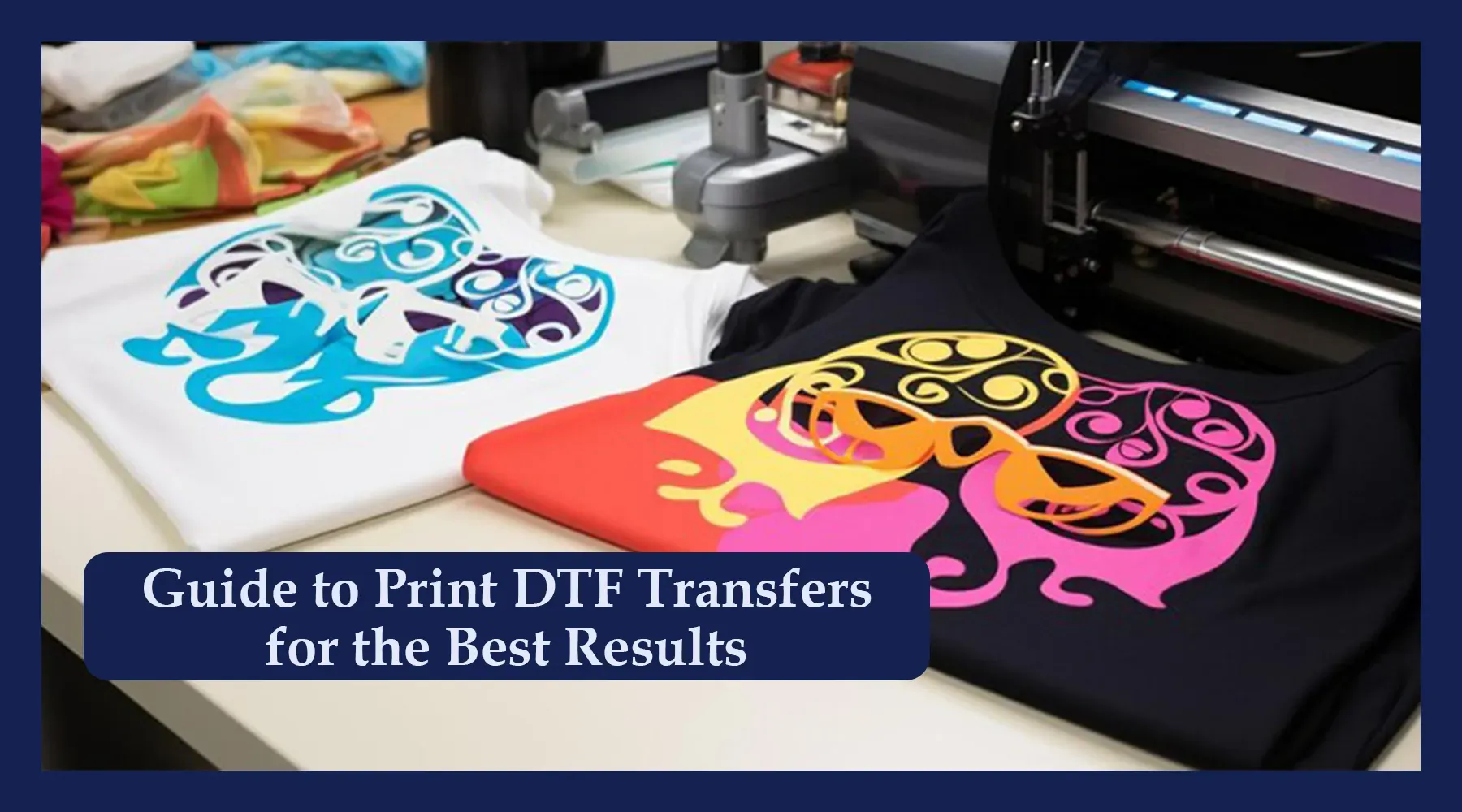
DTF transfers, or Direct-to-Film transfers, have emerged as a versatile option in modern apparel decoration for designers, small brands, and DIY enthusiasts. This method prints artwork onto a PET film and uses heat and pressure to bond it to fabric, delivering vivid color reproduction and durable performance. Its workflow blends digital design with a hands-on finish, offering a practical alternative to traditional methods and a clear comparison with DTF vs screen printing. If you have ever wondered how the process works—from film to fashion printing—you are in the right place to explore the DTF transfer process and tips for reliable results. This guide emphasizes color fidelity, soft hand feel, and consistent outcomes for small runs, prototypes, and limited-edition drops.
A different framing is film-to-fabric transfer technology, a technique that prints on a specialty film and fuses the image to textiles with heat. Direct-to-film printing is the broader term used by suppliers, supporting rapid prototyping and flexible color work. If you are wondering how to apply DTF transfers across different fabrics, this approach makes it approachable for small brands and DIY projects. From an LSI perspective, related concepts such as transfer film, adhesive powder, and curing steps link this topic to film to fashion printing and other textile decoration methods.
DTF Transfers Explained: Understanding Direct-to-Film Printing and the DTF Transfer Process
Direct-to-Film (DTF) transfers are created by printing the design onto a PET film with a white underbase to ensure brightness on dark fabrics. The DTF transfer process then coats the printed film with adhesive powder, cures it, and finally uses heat and pressure to fuse the design into the garment. When done correctly, the result is vibrant color reproduction, a soft hand feel, and durable adhesion that suits small production runs.
This approach relies on Direct-to-Film printing technology to separate the artwork from the textile, enabling repeatable results for prototypes and limited editions. Because the film carries the image before transfer, color management and edge sharpness can be optimized in RIP software and on the printer, offering workflow advantages for designers and brands moving from concept to product. The sequence from film to garment is what many call the film-to-fashion journey.
From Film to Fashion: The Film to Fashion Printing Workflow
The film to fashion printing workflow starts with design preparation, color management, and file setup. Designers tailor artwork for the garment color and texture, account for white underbase on dark fabrics, and ensure color separations translate cleanly when printed on the transfer film.
The next steps include printing on the transfer film with a printer capable of white ink and color inks, applying a compatible adhesive powder, and curing before heat pressing. With the film prepared, you place the transfer onto fabric, apply heat and pressure, and then peel away the film to reveal the embedded design, ready for finishing and potential post-processing.
DTF vs Screen Printing: Choosing the Right Method for Small Runs
DTF transfers offer significant advantages for small runs and complex color designs because setup costs are lower and there’s no need for multiple color screens. The process supports bright colors on light and dark fabrics and can be more cost-effective for short runs compared with traditional screen printing.
DTF vs screen printing becomes a question of scale and durability. Screen printing excels in very large volumes with durable, solid-color ink layers, while DTF provides flexibility, faster prototyping, and easier adjustments for limited editions, collaborations, and on-demand merchandise.
How to Apply DTF Transfers: A Practical Guide for Designers and Makers
Apply DTF transfers by first verifying print fidelity, then pre-pressing the fabric to remove moisture and flatten the surface. Use a calibrated heat press with consistent temperature control and even pressure. Typical temperatures range from 180°C to 200°C (350°F to 392°F) with a dwell time of 15–25 seconds, depending on material and powder type.
Next, place the printed film on the fabric, apply heat and pressure, and then peel the film away according to whether a warm peel or cold peel is recommended for your product. A brief post-press cure may further improve edge fusion and wash durability. Practically, run a few test transfers on the actual fabric to verify color, feel, and adhesion before full runs.
Color, Comfort, and Care: Optimizing Direct-to-Film Printing on Diverse Fabrics
Direct-to-film printing offers versatile fabric compatibility, performing well on cotton, blends, polyesters, and many stretch fabrics. Testing on a sample swatch helps verify color fidelity, white underbase density, and edge sharpness across fabrics since adhesive behavior can vary by textile.
Care and longevity matter: provide garment care instructions and wash cycles that respect the transfer. Washing inside out in cool or warm water and avoiding high-heat drying can extend the life of the design, while post-press cure steps help lock color and improve wash durability on a range of fabrics.
Frequently Asked Questions
How does the DTF transfer process work in Direct-to-film printing?
In Direct-to-film printing (DTF transfer process), artwork is printed on a PET film with white underbase and color inks. A powder adhesive is applied and the film is cured, then heat-pressed onto fabric at about 180–200°C (350–392°F) for 15–25 seconds. The film is peeled away, leaving a durable, vivid design embedded in the fabric. This film-to-fashion workflow delivers color-rich transfers with a soft hand when correctly executed.
How do you apply DTF transfers to fabric and what steps are involved?
Prep the fabric and set up a calibrated heat press. Place the printed transfer on the fabric, apply heat and even pressure at 180–200°C for 15–25 seconds to activate the adhesive. Peel the film (warm or cold peel depending on product), then perform any post-press cure if required to maximize durability.
DTF transfers vs screen printing: which method is better for small runs and complex artwork?
DTF transfers are well suited for small runs because there’s no need for screens and setup costs are lower, with strong color reproduction on light and dark fabrics. They handle complex, multi-color designs efficiently. Screen printing shines for large volumes with solid colors and very durable inks; choose based on run size, artwork, and fabric.
What is film to fashion printing in the context of DTF transfers, and how does it fit the workflow from design to garment?
Film to fashion printing describes printing the design onto a transfer film and then heat transferring it to fabric. In DTF, this involves color management, white underbase as needed, powder adhesion, curing, heat pressing, and peeling. The workflow connects digital design with garment finishing, enabling fast prototyping and flexible small runs.
What factors influence the durability and color fidelity of DTF transfers?
Key factors include the transfer film quality, ink and white underbase reliability, adhesive powder formulation and proper curing, precise heat and pressure during transfer, fabric compatibility, and post-processing. Calibrated color management and fabric testing help ensure consistent results; provide care instructions to maintain longevity.
| Aspect | Description |
|---|---|
| What are DTF transfers? | Printed on PET film with white underbase, coated with adhesive powder, then heat-pressed onto fabric to create a bold, durable, soft-to-the-touch design. |
| Film to fashion workflow (core steps) | Design prep → Printing on film → Powder adhesion and curing → Heat-press transfer → Peeling/finishing → Post-processing. |
| Advantages of DTF printing | Color richness on light/dark fabrics, versatility across fabrics, lower cost for small runs, durability when properly cured, easy iteration for prototyping. |
| Materials and prep | Transfer film, white and color inks, adhesive powder, compatible fabrics, pre-press, color management, testing on swatches. |
| Practical tips for high-quality transfers | Calibrate color management, maintain edge clarity, control heat/pressure, run test transfers on target fabric, provide care instructions, ensure clean edge finishing. |
| DTF transfers vs. other methods | DTF vs DTG: works on light and dark fabrics; often better for small runs. Screen printing excels in large volumes; durability depends on ink chemistry and application. |
| Applications | Rapid prototyping, limited editions, events/promotions, and brand-merch across product lines with consistent color reproduction. |
| Care and longevity | Follow garment care labels, wash inside out, avoid high heat drying, test on fabrics; some blends may require specific adhesive types or pre-press settings. |
| Troubleshooting | Fading colors from underbase/curing; cracking/peeling due to curing or fabric compatibility; ghosting from misregistration; sticky surface from over-curing or insufficient cooling. |

