
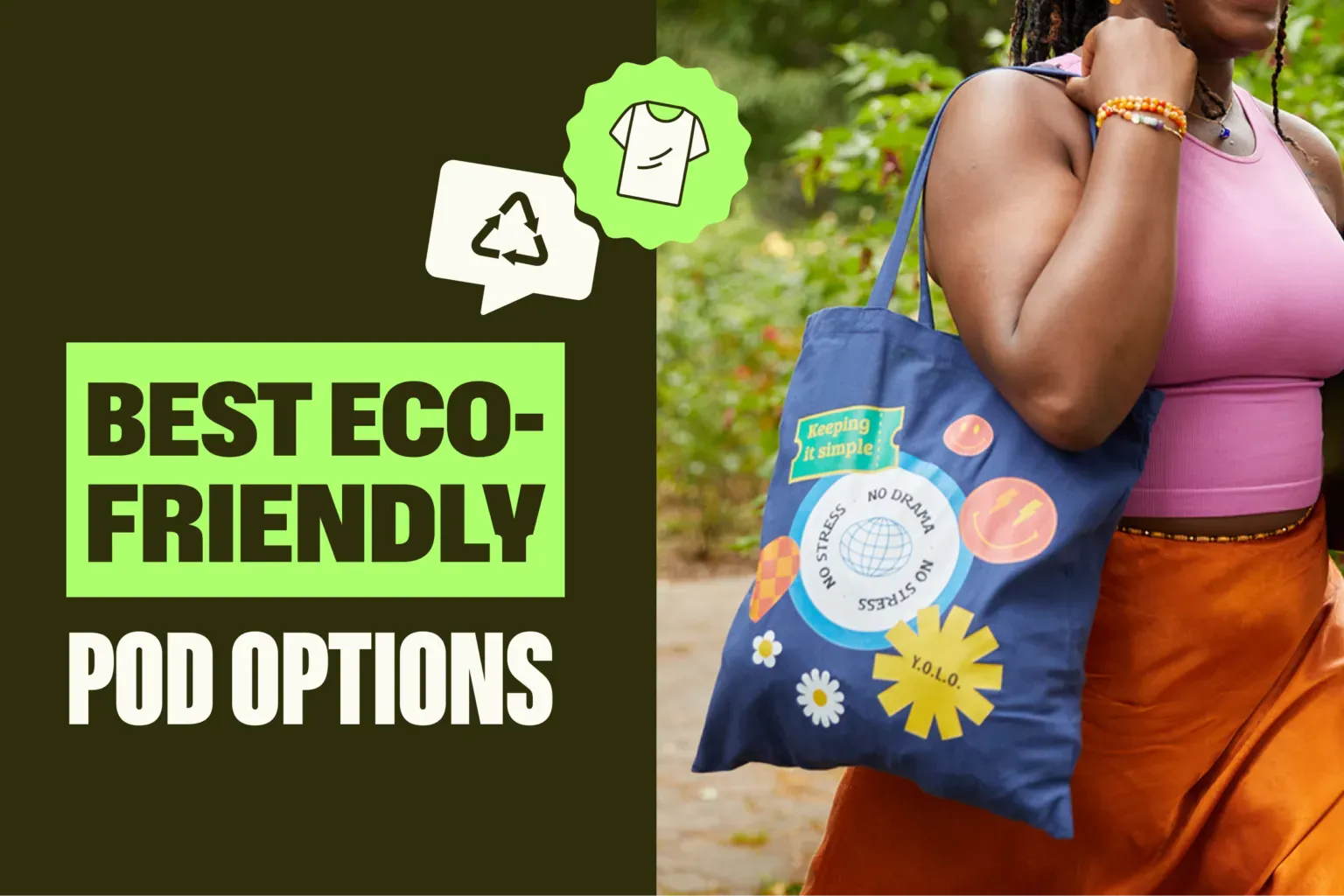
Eco-Friendly Print on Demand is reshaping how brands offer personalized products by marrying customization with responsibility. In practice, eco-friendly print on demand supports a more sustainable supply chain by cutting excess inventory and reducing waste. This approach enables brands to offer sustainable products print on demand, aligning launches with evolving consumer values and tighter margins. Pairing this with green packaging POD and ethical sourcing POD signals a full-circle commitment to the environment. Together with zero waste printing practices, POD minimizes waste, accelerates go-to-market speed, and strengthens brand trust.
In other terms, sustainable on-demand printing frames the same idea through eco-conscious production and low-waste fulfillment. This lens highlights responsible sourcing, recycled materials, and transparent supplier practices that build trust with buyers. By leveraging on-demand manufacturing, brands can test designs with minimal inventory and a smaller environmental footprint. A green packaging approach, recyclable inks, and take-back programs extend the life cycle beyond the product. LSI-aligned concepts such as ethical sourcing POD and zero waste printing help search engines associate related ideas with your core message.
Eco-Friendly Print on Demand: Building a Sustainable Catalog with Confidence
Eco-friendly print on demand (POD) reshapes how brands assemble catalogs by printing items only after orders are placed, dramatically reducing waste and excess inventory. By selecting sustainable materials, water-based inks, and responsible manufacturing partners, brands can deliver fully customized products with a smaller environmental footprint. This approach blends creativity with accountability, appealing to buyers who demand honesty about sourcing, production, and lifecycle impacts.
Pairing eco-friendly POD with zero waste printing concepts enables rapid idea testing without the burden of overproduction. Brands can stage seasonal drops, validate designs, and scale green initiatives—while promoting clear claims about green packaging POD and ethical sourcing POD as part of the supply chain. The result is a flexible, low-risk path to a more sustainable catalog that resonates with eco-conscious consumers.
Sustainable Products Print on Demand: From Materials to Market
Sustainable products print on demand places materials at the forefront: recycled fabrics, organic cotton, and low-impact inks help minimize environmental harm while maintaining product quality. Selecting suppliers with third-party certifications and transparent material origins ensures accountability across the supply chain. This focus not only reduces footprint but also strengthens brand credibility with environmentally minded shoppers.
Beyond materials, emphasize the production journey and packaging choices. Document certifications, test reports, and climate impact data, then showcase these details on product pages. When customers understand the full story from raw material to finished item, they see the value of sustainable products print on demand and are more likely to support brands that champion sustainability.
Green Packaging POD: Designing Packaging for Circularity
Green packaging POD prioritizes packaging that is recyclable, compostable, or made from post-consumer recycled content. By minimizing packaging weight and using responsible inks, brands can cut waste and transportation emissions while preserving product safety. This approach aligns with on-demand production, enabling efficient fulfillment without sacrificing environmental responsibility.
Effective green packaging also supports storytelling and customer trust. Clearly label eco-friendly attributes, provide recycling instructions, and partner with logistics providers that offer sustainable shipping options. When packaging decisions mirror the product’s sustainability claims, the overall value proposition strengthens and boosts conversions.
Ethical Sourcing POD: Transparency, Ethics, and Supply Chain Resilience
Ethical sourcing POD centers on supply chain transparency, fair labor practices, and verifiable certifications. Work with printing partners and material suppliers who share clear sustainability standards, and ask for traceability documents that confirm origin and stewardship. This foundation builds trust with buyers who expect accountability from every stage of production.
Implement supplier audits, codes of conduct, and regular impact reporting to demonstrate ongoing improvement. Highlight the supply chain story in marketing and product pages to reinforce sustainable products print on demand and the broader ethical sourcing POD narrative. Transparent sourcing is a competitive differentiator in a crowded POD market.
Zero Waste Printing: Reducing Waste Across Production and Packaging
Zero waste printing focuses on precision, efficient production, and digital proofs to minimize reprints and scrap. Careful color management, optimized workflow steps, and on-demand production reduce waste across the manufacturing process. This discipline helps protect margins while delivering durable, high-quality items.
To close the loop, offer recycling or take-back programs for end-of-life items and design products for disassembly. Track waste reduction metrics and share progress with customers to reinforce commitments to zero waste printing. Integrated with eco-friendly print on demand initiatives, this approach supports a circular, responsible brand story.
Frequently Asked Questions
What is Eco-Friendly Print on Demand and how does it enable zero waste printing for sustainable products print on demand?
Eco-Friendly Print on Demand (POD) is a model that prints items only after an order is placed, reducing overproduction and inventory waste. By using recycled or organic materials, low-VOC or water-based inks, and responsible manufacturing partners, it enables zero waste printing and supports sustainable products print on demand. This approach lowers waste, shortens supply chains, and helps brands demonstrate a tangible environmental commitment.
How can I implement sustainable products print on demand while ensuring ethical sourcing POD across my supply chain?
Begin with suppliers who have credible environmental certifications and transparent material origins. Prioritize recycled or responsibly sourced materials, eco-friendly inks, and traceable supply chains. Set clear expectations for sustainability in supplier agreements and showcase these practices on product pages to meet consumer demand for ethical sourcing POD.
What role does green packaging POD play in Eco-Friendly Print on Demand and how can I optimize packaging for recyclability and waste reduction?
Green packaging POD is a crucial element of Eco-Friendly Print on Demand. Opt for recyclable, compostable, or minimal packaging, preferably with post-consumer recycled content. Provide clear recycling instructions and aim to minimize packaging weight and complexity to reduce waste and shipping impact.
How does ethical sourcing POD impact brand credibility and customer trust in Eco-Friendly Print on Demand?
Ethical sourcing POD boosts credibility by offering transparent provenance for materials and production. Use third-party certifications, supplier audits, and clear reporting to back sustainability claims, and highlight this information on product pages and in marketing to enhance trust and loyalty.
What are best practices and common challenges for achieving zero waste printing in Eco-Friendly Print on Demand?
Best practices include using digital proofs to reduce reprints, optimizing color and production to minimize waste, designing for durability, and enforcing strong quality control. Collaborate with suppliers to adopt greener inks and materials, and communicate any cost or lead-time trade-offs honestly to avoid greenwashing while pursuing zero waste printing.
| Key Point | Details |
|---|---|
| Definition | Eco-Friendly Print on Demand combines customization and sustainability by printing items only after orders, reducing waste. It uses sustainable materials, low-impact inks, responsible manufacturing, and eco-friendly packaging. |
| Why sustainable products sell in POD | Consumer demand for value-aligned products; Brand trust through transparency; Reduced waste due to on-demand production; Flexibility for testing and niche designs. |
| Three pillars: Materials, Partners, Processes | Materials: recycled/organic fabrics, sustainable substrates; water-based inks. Partners: certifications and transparent supply chains. Processes: minimize reprints, digital proofs. |
| Materials that matter | Recycled polyester, organic cotton, bamboo blends; low-VOC inks, water-based where possible. |
| Responsible partners | Sustainability standards, audits, material origin proofs, recycling options, transparency. |
| Efficient processes | Streamlined color matching, reduce reprints, digital proofs to cut waste. |
| Product categories that shine | Apparel/accessories with sustainable fabrics; home/lifestyle with recycled materials; wellness/beauty; stationery with recycled paper. |
| Packaging, shipping, lifecycle | Recyclable/compostable packaging; carbon-neutral shipping; end-of-life guidance and take-back ideas. |
| Marketing | Transparent storytelling about materials and audits; clear environmental benefits; realistic care & life-cycle expectations; customer education. |
| Quality and durability | Durable materials, fade-resistant inks, robust QA, design for longevity. |
| Operational tactics for growth | Niche focus, data-driven product prioritization, supplier collaboration, certifications, improved returns handling to reduce waste. |
| Case in Point | Real-world examples such as organic tote bags with water-based inks and recycled notebooks show trust and repeat purchases when sustainability is highlighted. |
| Common challenges | Higher costs, color/quality variability, longer lead times; guard against greenwashing with verifications. |
Summary
Eco-Friendly Print on Demand is a powerful model that blends customization with sustainability. By prioritizing sustainable materials, ethical sourcing POD, and eco-conscious packaging, it supports sustainable products print on demand while reducing waste. Green packaging POD and zero waste printing can be achieved through careful supplier selection and lifecycle thinking. Transparent marketing and credible certifications help prevent greenwashing and build long-term consumer trust. Overall, this approach aligns customer values with viable product realities, enabling brands to grow responsibly in a competitive market.

